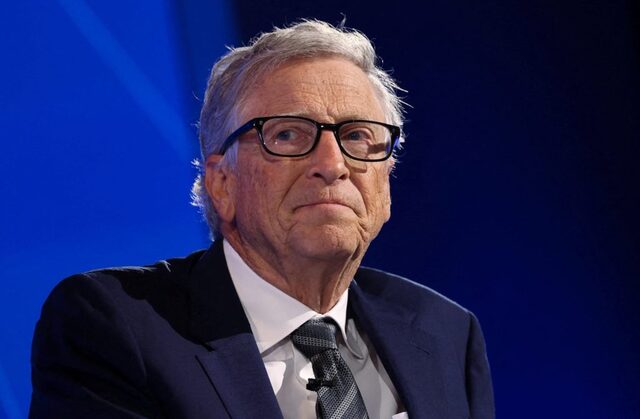
For decades, Bill Gates was the gold standard for the “second act.” After stepping away from the aggressive corporate warfare of Microsoft, he transformed into a global savior—a sweater-wearing, book-reading philanthropist dedicated to eradicating polio and fixing the planet. But on Tuesday, February 24, that carefully curated image didn’t just crack; it shattered.
During an emotional town hall meeting with employees of the Gates Foundation, the billionaire tech mogul did something few expected: he groveled. Facing the people who carry out his humanitarian mission, Gates admitted that the longstanding rumors regarding his private life and his ties to the late, disgraced financier Jeffrey Epstein were not just tabloid fodder—they were a part of his reality.
A Billionaire’s Groveling Moment
The atmosphere at the Gates Foundation town hall was described by insiders as “heavy” and “uncomfortably raw.” Bill Gates, a man who usually speaks in data points and global trends, was forced to speak about personal failures. The meeting served as a formal apology to his staff, who have found themselves working under a cloud of scandal as new details from the Epstein files continue to leak into the public domain.
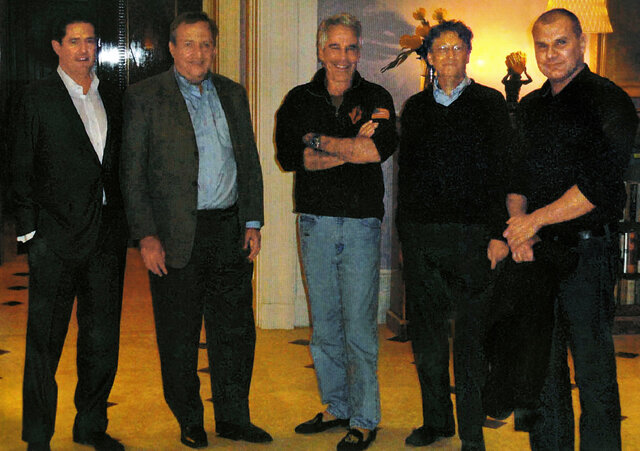
Gates expressed deep regret for his connection with Epstein, a relationship that began long after the financier had already pleaded guilty to soliciting a minor in 2008. From a humanitarian icon to a tabloid headline, the transition has been swift and brutal. This wasn’t just an apology for a bad friendship; it was an admission that the world’s most famous “problem solver” had fundamentally failed in his own judgment.
In a rare moment of public accountability, watch the footage where Bill Gates directly addresses his staff to express his profound regret over the controversial association
The Russian Connection: Bridge, Physics, and Betrayal
Perhaps the most shocking revelation from the confession was Gates’ admission of extramarital affairs with two Russian women. For years, these stories had been whispered in tech circles, but they have now been confirmed by the man himself.
The first affair involved Mila Antonova, a Russian bridge player whom Gates met around 2010. The connection took a dark turn when it was revealed that Jeffrey Epstein had stepped in to pay for Antonova’s software coding school tuition in 2013. In a move that looked suspiciously like extortion, Epstein emailed Gates in 2017—years after the affair had ended—requesting reimbursement for that tuition. The implication was clear: Epstein knew about the affair and was willing to use it as leverage.
The second affair involved an unidentified Russian nuclear physicist. According to reports, this relationship was born out of business activities, as the woman reportedly worked at one of Gates’ various companies. These admissions have painted a picture of a private life that was far more chaotic and vulnerable to manipulation than the public ever imagined.
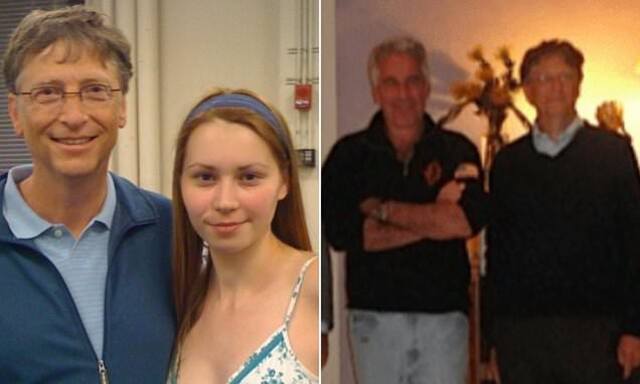
This footage captures the central tension of the scandal: Gates’ public admission of personal indiscretions contrasted with his absolute denial of any criminal involvement.
The Epstein Orbit: Meetings in the Shadows
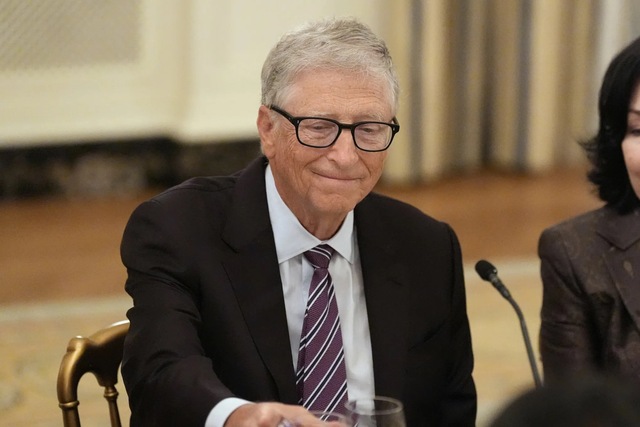
Bill Gates used the town hall to clarify the extent of his ties to Jeffrey Epstein, acknowledging that they met in several international hubs, including New York, France, Germany, and Washington. Gates maintained a consistent defense: “I did nothing illicit. I saw nothing illicit.”
However, the question many are asking is: Why stay? Gates explained that Epstein’s allure was his alleged “Billionaire Circle.” Epstein reportedly bragged about his intimate relationships with Wall Street giants and claimed he could facilitate massive influxes of capital for global health initiatives. Gates admitted he was lured by the prospect of more money for his foundation, ignoring the glaring red flags surrounding Epstein’s character in exchange for the promise of philanthropic growth. In retrospect, Gates lamented, it was a “dead end.”
Medically Malicious: Addressing the Darkest Allegations
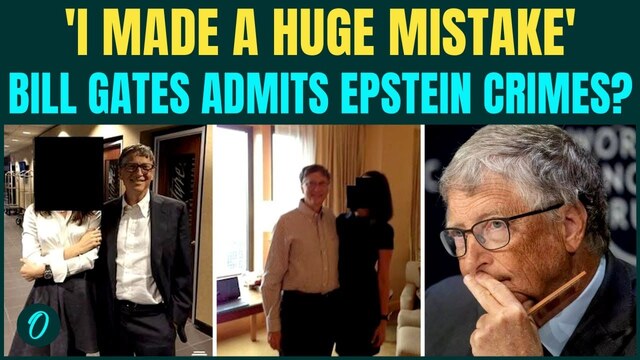
One of the most damaging ripples from the Epstein scandal involved an email alleging that Gates had contracted an STD and, in a bizarre turn of events, surreptitiously gave Melinda antibiotics without her knowledge.
During the town hall and in subsequent interviews, Gates was categorical in his denial. He labeled the email a total fabrication, questioning Epstein’s motives: “Was he trying to attack me in some way?” While Gates has denied the medical rumors, the mere fact that such a story could gain traction highlights how much his credibility has been eroded. When a public figure is caught in confirmed lies (like the affairs), the public becomes much more willing to believe the unconfirmed ones.
Melinda’s Perspective: A Broken Trust in Progress
No one has felt the weight of these revelations more than Melinda French Gates. While she has moved on to her own philanthropic path, her recent comments on NPR’s Wild Card podcast offered a heartbreaking glimpse into the collapse of their marriage. She spoke about the necessity of “absolute credence” in a partnership—a trust that was clearly broken.
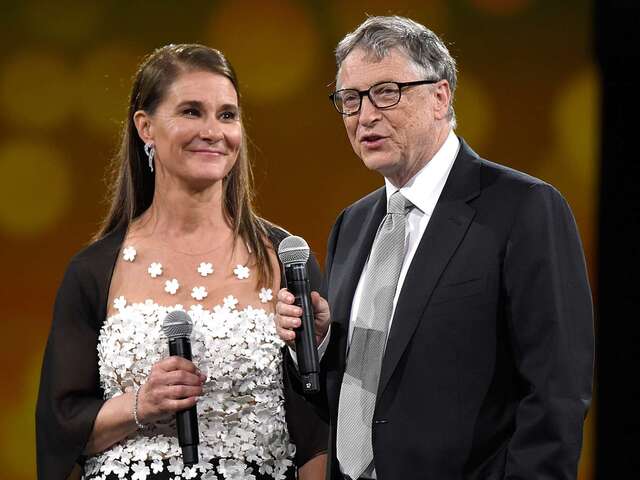
Gates acknowledged during the town hall that Melinda had been right all along. “She was always skeptical about the Epstein thing,” he admitted. This public acknowledgment of her intuition serves as a bitter post-script to their divorce. Melinda described her journey toward forgiveness as a “work in progress,” making it clear that while Bill may be apologizing to the world, the healing at home is a much longer, more difficult road.
Despite the brewing storms in their private lives, Melinda Gates remained a steady force for the Foundation’s mission; watch her professional response during this pivotal town hall session
The Fallout: Internal Turmoil and Public Backlash
The reaction to Gates’ groveling has been polarized. Inside the foundation, the apology was seen as a necessary first step, but reports suggest that “Teams chats” among staff remain chaotic. Employees who dedicated their lives to a mission of “equity and goodness” now feel they are working for a man whose personal choices are in direct conflict with those values.
On the digital front, the public has been far less forgiving. Social media has been flooded with labels like “Empty Words” and “Damage Control.” Critics argue that Gates is only apologizing now because the Epstein files left him with no other choice. The sentiment that “the guilty often admit to lesser crimes to hide larger ones” has become a dominant narrative in the comments sections of news outlets worldwide.
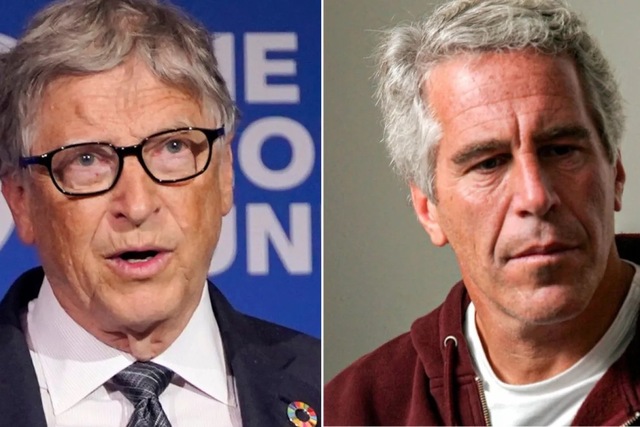
Final Thoughts: A Legacy Re-written for the History Books
Bill Gates once famously said, “Success is a lousy teacher. It seduces smart people into thinking they can’t lose.” It appears he fell victim to his own warning. By associating with Epstein and engaging in the very behaviors that left him vulnerable to blackmail, Gates has permanently altered his place in history.
He will no longer be remembered solely as the tech visionary who put a computer on every desk or the philanthropist who fought malaria. He will also be remembered as a man who allowed his judgment to be clouded by the lure of elite circles and private indiscretions.
The Gates Foundation will likely continue its vital work, but the “Gates Effect”—the weight and authority of Bill’s personal voice—has been diminished. As he navigates this post-confession era, the world is left with a sobering reminder: no amount of wealth or charity can buy back a reputation once the foundation of trust has crumbled.