
Let’s be real—waking up to a damp pillow isn’t exactly the glamorous, “I woke up like this” moment we see in luxury bedding commercials. It’s messy, a bit embarrassing, and usually results in a frantic pillow-flip before your partner wakes up. For most of us, it’s a quirky body glitch we’ve dealt with since childhood. We shrug it off, blame it on a “really good sleep,” and move on with our day.
But if your drooling habit has gone from a rare occurrence to a nightly event—leaving your pillowcase soaked and your skin irritated—it might be time to look a little deeper. Believe it or not, your nighttime saliva spill could be your body’s way of waving a red flag. From simple positioning issues to serious respiratory warnings, that puddle of spit is a message. Let’s break down the science of why you’re leaking like a faucet and how to fix it without turning your bedroom into a biology lab.
The Anatomy of a Leak: Why Gravity Takes Over
To solve the mystery of the wet pillow, we first have to understand what happens to the human body during the different stages of sleep. When you fall into a deep slumber, particularly during the REM (Rapid Eye Movement) phase, your body undergoes a fascinating process called muscle atonia.
In simple terms, your facial muscles hit the “snooze” button. This includes the muscles that normally keep your jaw aligned, your lips sealed, and your swallowing reflex active. In a conscious state, you swallow excess saliva automatically without even thinking about it. But when you’re deep in dreamland, that reflex slows down significantly.
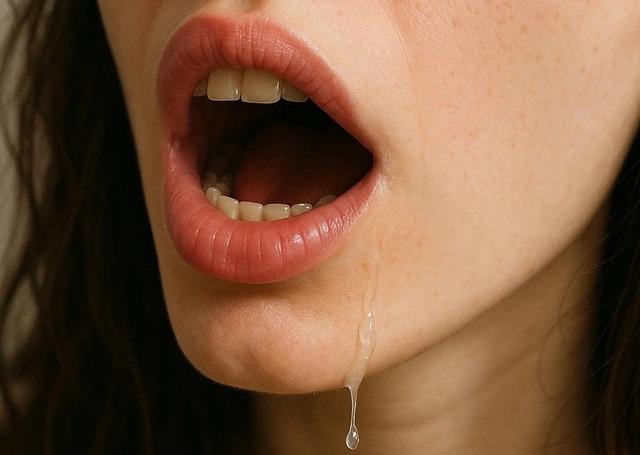
If your mouth falls open and your head is tilted just the right way, gravity does what it does best. Saliva pools in the cheeks and, finding the path of least resistance, spills out onto your bedding. While a little drool can be a sign that you’ve reached a state of deep, restorative relaxation, an excessive amount suggests that the “seal” of your mouth is being compromised by external or internal factors.
Ever wondered about the biology of your breath? Dive into the fascinating science of why our bodies produce excess moisture while we sleep.
Nasal Roadblocks: When Your Nose Quits on You
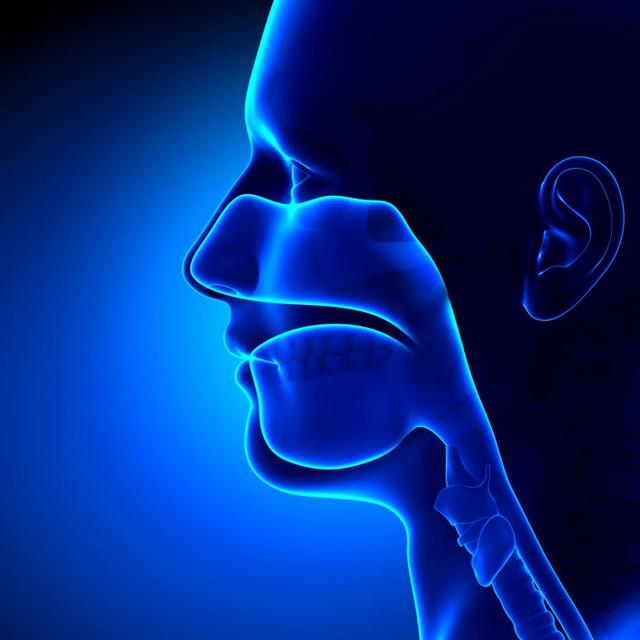
The most frequent culprit behind a midnight mouth flood is a blocked nose. Humans are designed to be “obligate nasal breathers” during sleep. Your nose filters, warms, and humidifies the air before it reaches your lungs. However, when your nasal passages are obstructed—whether by a common cold, a deviated septum, or chronic sinus inflammation—your brain triggers a backup plan: mouth-breathing.
Once you switch to mouth-breathing, your lips must remain parted. This creates a direct “escape hatch” for saliva. Furthermore, the constant flow of air through the mouth can dry out the oral tissues, causing the salivary glands to overcompensate by producing even more fluid.
How to reclaim your nasal passages:
- Clear the Sinuses: Use a saline spray or a neti pot before bed to flush out debris.
- Steam Therapy: A hot shower before bed uses steam to naturally thin mucus.
- Topical Relief: Decongestant balms like Vicks VapoRub work wonders. Applying a small amount to your chest or throat can help keep the airways open, encouraging your body to keep its “shutters” closed.
The Shadow of Sleep Apnea: A Sneaky Health Threat
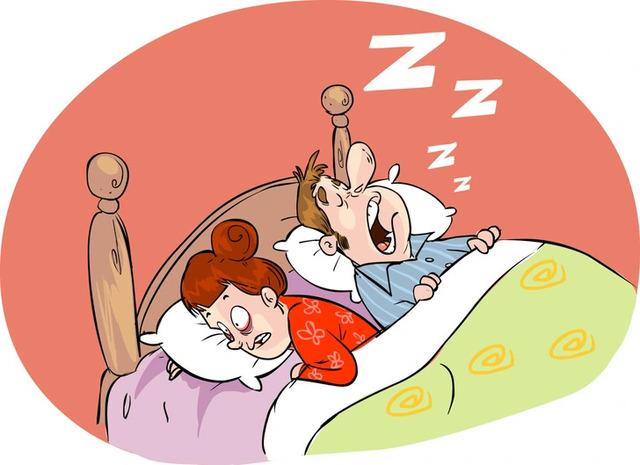
While a stuffy nose is usually temporary, drooling can sometimes point toward a much more sinister intruder: Sleep Apnea. This is a serious sleep disorder where your breathing repeatedly stops and starts throughout the night.
Why does this cause drooling? When your airway collapses during sleep, your body enters a state of panic. To restart breathing, you often gasp or switch to heavy mouth-breathing. This disruption of the natural respiratory rhythm often leads to hypersalivation.
If your drooling is paired with loud, chronic snoring, waking up gasping for air, or feeling absolutely exhausted despite “sleeping” for eight hours, you need to pay attention. Untreated sleep apnea isn’t just a sleep issue; it places immense strain on your heart and can affect your mood, memory, and long-term health. That wet pillow might just be the first warning sign of a condition that requires a professional sleep study.
Hypersalivation: Is Your Body Over-Producing?

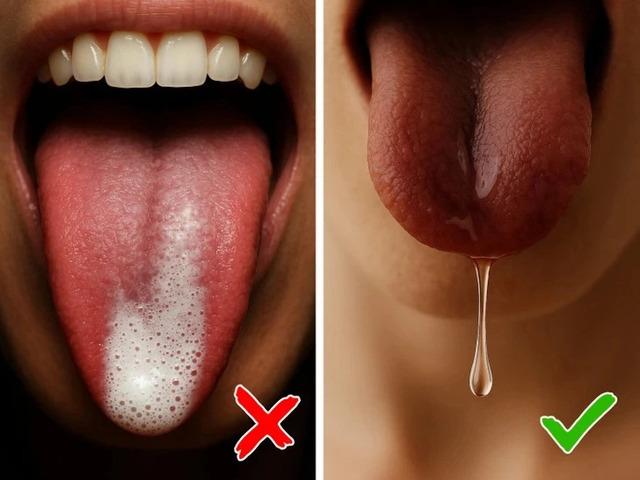
Sometimes, the issue isn’t how the saliva escapes, but how much is being produced in the first place. This is known as hypersalivation. Paradoxically, one of the most common triggers for this is dehydration. When your body is low on water, your mouth becomes dry and irritated. In an attempt to protect your oral tissues and “lubricate” the system, your salivary glands go into overdrive.
Certain medications—including some antidepressants, narrow-spectrum antibiotics, and blood pressure meds—can also list increased salivation as a side effect. Even your diet plays a role; highly acidic or sugary foods before bed can stimulate the glands.
The Acidity Hack: It sounds counterintuitive, but sucking on a thin slice of lemon before bed can help. The acidity can stimulate the glands to function more efficiently and help “thin out” the saliva, making it easier for your body to manage it naturally. Most importantly: drink plenty of water during the day to prevent the “emergency” overproduction of spit.
The Dental Connection: Hidden Oral Health Triggers

Your dentist might be the person who finally solves your drooling saga. Dental issues like inflammation, untreated cavities, or gum disease can cause the body to produce excess saliva as a natural defense mechanism to “wash away” bacteria.
Furthermore, the “architecture” of your mouth matters. Misaligned teeth (malocclusion) or an overbite can make it physically difficult for your lips to meet comfortably while your jaw is relaxed. If your mouth can’t form a natural seal, saliva will inevitably slip out. Keeping up with your twice-yearly checkups and flossing like you mean it isn’t just about a bright smile—it’s about maintaining the oral integrity needed for a dry night’s sleep.
Ready to dry up the puddle for good? Watch these expert tips on identifying the root cause and stopping the flow.
Allergies and the Invisible Triggers in Your Bedroom
If you find yourself drooling more during certain seasons, allergies are likely the culprit. Dust mites, pet dander, and seasonal pollen can cause your nasal membranes to swell. This leads back to the “nasal roadblock” we discussed earlier.
However, allergies also cause your body to produce excess mucus and saliva as an immune response to “flush out” allergens. If your bedroom is a sanctuary for dust—think old carpets, heavy drapes, or a mattress that hasn’t seen a vacuum in years—you are practically inviting your body to overproduce fluids. Consider an air purifier and hypoallergenic pillowcases; sometimes, the cure for drooling is simply a cleaner environment.
Re-Engineering Your Sleep Position: The Geometry of a Dry Night
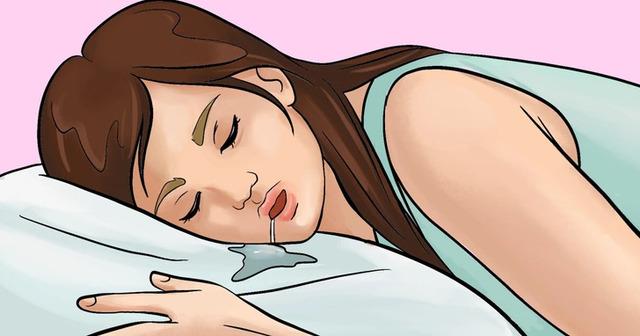
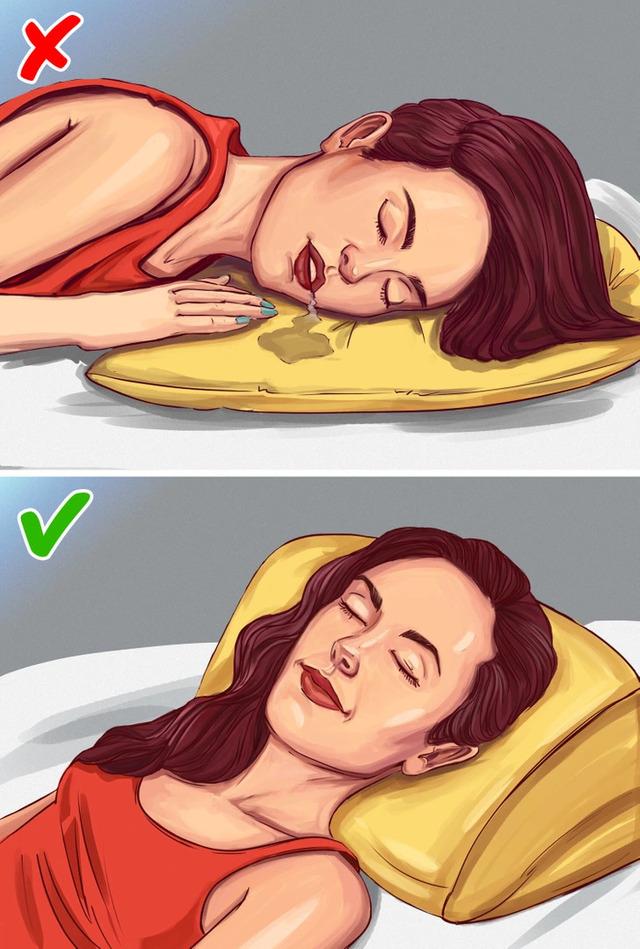
If you are a side or stomach sleeper, you are essentially fighting a losing battle against physics. When you sleep face-down or on your side, your mouth is often pressed against the pillow, and gravity has a clear, downward path to draw saliva out.
The Back-Sleeper’s Advantage: Sleeping on your back is the “gold standard” for preventing drool. In this position, any saliva produced naturally pools at the back of the throat, which triggers the automatic swallowing reflex. It keeps the “leak” contained within the throat where it belongs.
Training your body: If you’ve been a side-sleeper your whole life, changing won’t happen overnight. Try creating a “pillow fortress”—placing long body pillows on either side of you to prevent you from rolling over during the night. It might feel strange at first, but your skin and your laundry bill will thank you.
The Elevation Strategy: Raising Your Head to Reduce the Flow
If you can’t commit to back-sleeping, the next best thing is elevation. Sleeping completely flat allows fluids to pool easily. By propping your head up with a slightly higher, more supportive pillow—or a specialized wedge pillow— bạn có thể giữ cho đường thở mở rộng hơn và khuyến khích hàm đóng lại một cách tự nhiên.
Just be careful: you want to elevate the head and shoulders, not just the neck. Over-extending the neck can actually lead to more mouth-breathing. Look for a pillow that maintains the natural curve of your spine while providing enough lift to let gravity work for you instead of against you.
Humidifiers: The Unsung Heroes of Sleep Hygiene
We often overlook the quality of the air we breathe. During the winter, or if you live in a dry climate (or a house with constant air conditioning), the air becomes a “moisture thief.” It dries out your nasal passages, causing them to crack and swell.
When your nose dries out, your body switches to mouth-breathing as a survival instinct. Running a humidifier at night keeps your airways moist and supple. It prevents the “congestion-rebound” that leads to mouth-breathing and, consequently, the dreaded drool puddle. It is perhaps the easiest, most passive upgrade you can make to your sleep setup.
Final Thoughts.: Listening to Your Body’s Fluid Language
At the end of the day, drooling in your sleep isn’t a moral failing or a reason for shame. Most of the time, it’s a sign that you’ve finally managed to disconnect from the stress of the world and fall into a deep, heavy rest. But when the dampness becomes a constant companion, it’s time to stop flipping the pillow and start investigating the cause.
Whether it’s a simple case of needing a better pillow, a humidification boost, or a more serious discussion with a doctor about sleep apnea, your body is dropping hints. Tuning in to these quiet, fluid signals today can save you from bigger health issues down the road.
So, the next time you wake up and realize you’ve leaked like a faucet, don’t just reach for a dry spot. Think of it as a message from your health—and perhaps, finally, the perfect time to take action.