In the mid-1990s, the global music landscape was a chaotic tug-of-war between the distorted, angst-ridden snarl of grunge and the increasingly slick, manufactured sheen of bubblegum pop. Into this fray stepped a young woman with an acoustic guitar and a voice that sounded like shattered crystal. Her name was Jewel Kilcher. Known simply as Jewel, she didn’t just sing; she confided. Her lyrics weren’t just verses; they were entries from a private diary that millions of people suddenly realized they had also written.
Among her early repertoire, one track emerged as more than just a radio hit. “You Were Meant for Me” became a cultural anchor, a song that launched a nomadic coffeehouse poet into the stratosphere of superstardom and defined an entire era of heartfelt, acoustic-driven music.
A Crystal Voice in a Grunge World
When Jewel’s debut album, Pieces of You, arrived in 1995, it felt like an anomaly. At a time when MTV was dominated by flannel shirts and heavy synthesizers, Jewel offered a raw, literary perspective that felt startlingly intimate. She spoke for the introverts, the dreamers, and the heartbroken.
“You Were Meant for Me” was the emotional epicenter of this movement. It was a song that didn’t need to scream to be heard; its power lay in its quietness. It wasn’t just a track on the radio; it was a companion for those lonely, rainy mornings when the world feels a little too quiet and the absence of a loved one feels like a physical weight.
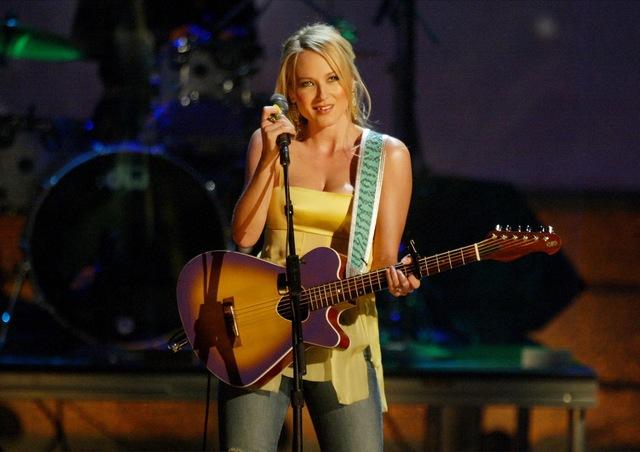
Take a trip back to the mid-90s and experience the haunting simplicity that made the world fall in love with Jewel’s storytelling.
The Alchemy of Collaboration: Jewel and Steve Poltz
Great art is often the result of a perfect collision between two creative spirits. For Jewel, that collision happened with fellow musician and friend Steve Poltz. Their collaboration on “You Were Meant for Me” wasn’t a calculated industry session; it was an intimate experiment.
Poltz’s melodic instincts perfectly complemented Jewel’s introspective, poetic lyrics. They spent an afternoon blending folk traditions with pop accessibility, creating a hauntingly beautiful melody that felt as though it had always existed. There was no pressure to create a “hit”—only a desire to capture a specific, lingering ache. This lack of pretension is exactly why the song feels so authentic; it was born from genuine friendship and shared creative curiosity.
The Art of the Everyday: Dissecting the Lyrics
What makes “You Were Meant for Me” a timeless classic isn’t just the melody—it’s the imagery. Jewel has a singular gift for finding the “mundane magic” in everyday life. She describes the quiet rituals of heartbreak: brewing coffee, putting on a movie, staring at a rainy window, and realizing that the person you usually share these moments with is gone.
These small, relatable details make the pain of lost love feel strikingly real. Jewel doesn’t resort to grand, operatic metaphors; she talks about the toast, the morning news, and the lingering sense of waiting for someone who won’t return. It is a diaristic approach that makes the deeply personal feel globally accessible. If you have ever felt the quiet emptiness of a house after a breakup, these words don’t just tell a story—they echo your own.
The Slow Burn to Superstardom
Interestingly, Jewel was not an overnight success. Pieces of You didn’t make an instant splash upon its 1995 release. Instead, Jewel built her career through patience and organic growth. She lived in her van, performing in cozy coffeehouses and small venues, letting her music spread by word of mouth.

When “You Were Meant for Me” was finally released as a single in 1996, the world was ready. The song became a historic juggernaut, climbing to number two on the Billboard Hot 100 and remaining on the charts for an incredible 65 weeks. This record-breaking longevity transformed Jewel from an underground folk singer into a multi-platinum icon, proving that authenticity could compete with the highest-budget pop productions.
Sonic Restraint: Letting the Emotion Breathe
In an era where studio-heavy production was the norm, the sonic arrangement of “You Were Meant for Me” was a lesson in restraint. The track is built upon a simple, gentle acoustic guitar that cradles Jewel’s voice. There are no flashy hooks or elaborate instrumental breaks to distract from the storytelling.
This minimalism allows every sigh, every breath, and every whispered word to land with maximum emotional impact. It creates a soundscape that feels like sitting in a quiet room with Jewel herself. By stripping away the “gloss,” the song allows the emotion to breathe, making the listener feel like they are part of a shared secret.
From living in a van to topping the global charts, discover the incredible resilience and raw talent behind the artist in this deep dive into Jewel’s life story.
Visualizing Introspection: The Lawrence Carroll Direction
The music video, directed by Lawrence Carroll, was the perfect visual companion to the track’s introspective tone. It avoided the high-concept flashiness of mid-90s videos, opting instead for a dreamlike, contemplative aesthetic.
We see Jewel wandering through ordinary settings—cafes, streets, and homes—looking both present and lost in thought. These visuals never overshadow the music; they deepen the sensory experience. The video captured the essence of “contemplative loneliness,” turning the song into an immersive journey through the heart of someone trying to move on while still looking back.

Legacy of a Survivor: Critical Acclaim and Evolution
Critics and audiences alike recognized the quiet strength of the song. Pieces of You eventually went on to sell more than 12 million copies worldwide, earning Jewel a Grammy nomination and solidifying her place in music history. But Jewel’s story didn’t end with a hit single.
She proved to be a “multi-hyphenate” artist, successfully navigating diverse genres from country and pop to children’s music and jazz. She published best-selling poetry collections and ventured into acting, always maintaining the core authenticity that first captured hearts. Her ability to evolve while staying true to her unpolished, sincere voice is what has allowed her to remain relevant for over three decades.